
Livestock is the closest thing Manor Lords has to compounding interest: buy in once, breed up, and the herd pays out in wool, meat, hides and resale more or less forever.
Sheep remain the strongest opening. They cost about 30g and sell for around 20g at a price that stays stubbornly high. One worker at a sheep farm can turn a flock into hundreds of units of wool a year. Import adults, not lambs, since only grown sheep shear and breed. Butcher lambs, not adults: lambs give the same meat and hides without costing you a producer.
The Beta changed the economics. Pasture animals now eat animal feed through every winter month or die, and feed comes from oats at a 1:2 conversion. Budget roughly six feed per adult cow and three per sheep across the season. Pastures also cost planks now and demand noticeably more land, breeding runs on seasonal windows, and shearing happens once a year in summer.
Cows are the new option and pay twice: milk first, then beef and hides at the butcher. They cost roughly double a sheep. Plan the winter feed chain before the first animal arrives.
Pigs are a regional question, not a livestock one. Their yield scales with forest coverage through Pannage, and the old +30% cap is gone. In an ordinary region pigs are the weakest extension you can build: meat only, no milk, no hides. In a heavily wooded one they are among the strongest. Check your region before building a pigsty.
 Pasture geometry
Sheep & Pastures
The mechanics are fiddly pasture geometry, but the practical result holds: subdivide instead of consolidating (see the pasture diagram below). Beta note: one source reports the subdivision advantage was patched out, with capacity now scaling on total area. Treat 3× as pre-patch and re-test it yourself.
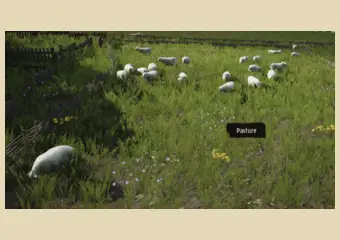
You still shear, still butcher lambs, still have stock to sell. Possibly the best trade item in the game. Spam it in every region.
Read all 9 Sheep & Pastures tips in the field book →
New in the Beta — livestock
Pasture animals (cows, calves, sheep, lambs) eat Animal Feed every winter month or die. Oats → Animal Feed at the Livestock Farm at a 1:2 ratio.
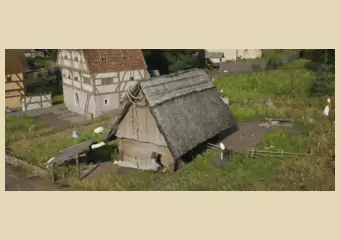
Passive monthly Milk (except winter), plus Beef and Hides at the butcher. Calves yield half of adults, so let them grow.

Pasture fences have a dynamic plank cost scaling with size, and the same pasture space needs about 2.2× the area. Budget planks before expanding herds.
Cows breed in summer, sheep in autumn, offspring arrive in spring. Sheep shear once a year, in summer only. Plan wool contracts around it.
Reselling loses money; adults resell for less than the ~60g import cost. The profit is bred offspring and milk, not flipping bought stock.

Roughly 9/year at baseline, climbing to about 13.5/year around 50% meadow. Still only a modest step up from a goat, which throws in hides.
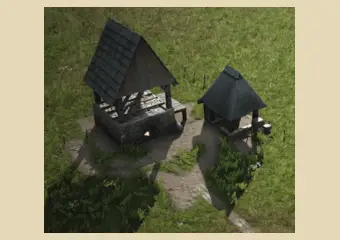
During breeding season every animal gets a small pregnancy check every 10 days, compounding to about 37%. Offspring per herd caps around 150/year, but hitting that needs a 400+ herd. Treat 150 as aspirational.

Feed converts from oats at 1:2 (#121), so about 3 oats per cow and 1.5 per calf or sheep. Size your oat fields against the target herd before importing.
Reports vary, from the two sharing one enclosure outright to offspring spilling into a neighboring pasture of the other species. Either way, don't assume separate pastures separate the herds.
Oxen now purchase through the livestock trading post like any other animal, with no wait between orders. Bulk-buy several at once.
You used to be able to order animals before the pasture was ready and they'd wait. Gone. With no free space when they arrive they leave and the money's lost. Build the pasture first.
Expect less wool per shearing than before. Budget a bigger flock, or lean on flax-based linen clothing.

Leaving it unlimited lets the livestock farm turn every harvested oat into feed, leaving your human population with none to eat.
Read the full Beta chapter in the field book →
Read these next

Trade & Wealth
Wool and hides are exports. Route cost decides whether to sell them raw or process them first.

Food & Population
Milk, cheese and beef are the food types that never run out, which is what plot upgrades actually want.

Farming & Fields
Winter feed comes from oats at 1:2, so the herd's survival is decided on the fields months earlier.